How Cells Decide Between Repair, Adaptation, and Self-Destruction
ALL BLOGSSCIENCE

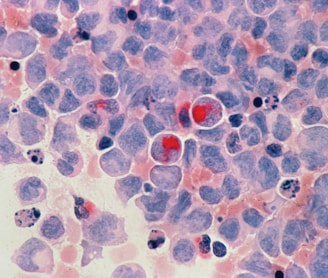
We usually think of cells as tiny building blocks that just exist and do their jobs automatically. They make proteins, divide, and keep tissues running in the background. But cells are not passive. Every second, they are making decisions. When a cell is stressed or damaged, it does not immediately fail. It pauses, evaluates the situation, and chooses a response. Sometimes it repairs itself. Sometimes it adapts to survive under new conditions. And sometimes, when the damage is too great, it chooses self-destruction. These decisions are not random. They are carefully regulated processes that protect the organism as a whole. Understanding how cells decide between repair, adaptation, and self-destruction reveals how life maintains balance at the smallest level.
What Triggers a Cellular Decision
Cells face stress constantly. DNA damage from radiation, lack of oxygen, nutrient shortages, toxins, heat, or infection can all disrupt normal function. Even everyday processes like metabolism can create harmful byproducts. When something goes wrong, sensors inside the cell detect the damage. These sensors are usually proteins that monitor DNA integrity, energy levels, and structural stability. Once they detect a problem, they send signals that activate specific pathways. At this point, the cell has options. The choice it makes depends on the severity of the damage, how quickly it can be fixed, and whether survival would benefit the organism.
Repair Is the First Choice
Whenever possible, cells try to repair themselves. Repair is efficient and preserves function without losing valuable cells. One of the most common repair targets is DNA. Cells have specialized enzymes that scan DNA for mistakes, remove damaged sections, and rebuild them correctly. This happens constantly and often without us ever noticing. Proteins can also be repaired. Misfolded proteins are refolded or broken down and replaced. Cell membranes are patched. Damaged components are recycled through processes that clean up internal waste. Repair works best when damage is minor or caught early. If the repair systems succeed, the cell returns to normal function as if nothing had happened. This option allows tissues to remain stable and healthy over time.
Adaptation Helps Cells Survive Change
Sometimes damage cannot be fully repaired, or the environment changes in a way that makes normal function impossible. In these cases, cells adapt. Adaptation does not mean fixing the problem. It means adjusting behavior to survive it. For example, if oxygen levels drop, cells may shift to alternative energy pathways. If nutrients are scarce, they may slow growth or recycle internal components to conserve resources. If temperatures rise, cells produce protective proteins that stabilize their structure. Adaptation allows cells to survive short-term stress and sometimes long-term changes. However, adaptation comes with tradeoffs. Cells may function less efficiently or sacrifice certain abilities to stay alive. This strategy is especially important in fluctuating environments where conditions improve later. Adaptation buys time.
When Survival Becomes Dangerous
There are situations where repair and adaptation are no longer safe options. Severe DNA damage, irreversible structural breakdown, or uncontrolled mutations can turn a cell into a threat. If a damaged cell continues dividing, it can pass errors to new cells. This is one of the early steps toward diseases like cancer. In these cases, survival is not beneficial to the organism. Cells have a built-in solution for this problem. They can initiate self-destruction.
Self-Destruction Is a Protective Choice
Cellular self-destruction, often called programmed cell death, is a controlled and organized process. The cell breaks down its components, packages them safely, and signals nearby cells to clean up the remains. This process is not violent or chaotic. It prevents inflammation and protects surrounding tissue. Self-destruction is triggered when damage exceeds repair capacity or when internal checkpoints detect serious errors. Specific proteins activate enzymes that dismantle the cell from within. While it may seem extreme, self-destruction is essential for long-term health. It removes faulty cells before they cause harm and helps maintain balance within tissues.
How Cells Choose Between These Paths
The decision between repair, adaptation, and self-destruction is not made by a single switch. It is the result of multiple signaling pathways interacting at once. Cells measure damage severity, energy availability, and environmental conditions. They assess whether repair systems are still functional and whether adaptation would allow safe survival. If repair signals are strong and damage is limited, repair dominates. If stress persists but damage remains manageable, adaptation takes over. If danger signals overwhelm protective mechanisms, self-destruction is activated. This layered decision-making prevents premature cell loss while still protecting the organism when necessary.
Why This Balance Matters
If cells repaired everything without limits, dangerous mutations could spread. If cells self-destructed too easily, tissues would deteriorate rapidly. Balance is key. Healthy organisms depend on cells making the right choice at the right time. Aging, disease, and environmental stress can disrupt this balance. Too much survival can lead to cancer. Too much cell death can lead to degeneration. Understanding this balance helps scientists study disease progression and develop treatments that restore proper decision-making in cells.
The Bigger Picture of Cellular Choice
At a larger scale, these cellular decisions shape development, healing, and longevity. Wound healing depends on repair and adaptation. Immune responses rely on controlled cell death. Developmental processes require precise timing of self-destruction to shape organs correctly. Cells are not just reacting. They are constantly evaluating what is best for the system they belong to. This perspective alters our understanding of life at the microscopic level. Cells are not simple machines. They are dynamic systems with priorities, safeguards, and limits.
Final Thoughts
Every living organism survives because its cells know when to fix themselves, when to adjust, and when to step aside. These decisions happen silently, millions of times a day, without conscious awareness. Understanding how cells decide between repair, adaptation, and self-destruction reveals an important truth. Survival is not about avoiding failure at all costs. It is about knowing when preservation helps and when letting go protects the whole. At the most fundamental level of life, wisdom appears as balance.
