How Sound Frequencies Affect the Brain: The Emerging Field of Bioacoustics
ALL BLOGSNEUROSCIENCE
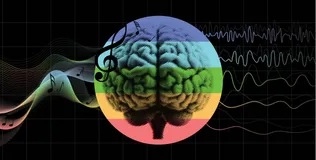
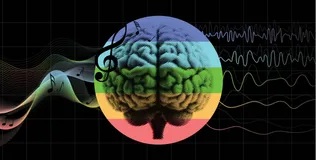
Most people think of sound as something we hear and then forget. But in reality, sound affects the brain in ways far deeper than we notice. From the moment a sound wave enters your ears, it begins interacting with your nervous system. Some sounds calm you, some energize you, and others make you stressed without you realizing why. This is where bioacoustics comes in. Bioacoustics is the field that studies how sound frequencies interact with the brain and the body. Scientists are finding that specific sound frequencies can influence memory, mood, focus, stress, and even physical health. Sound is not just noise. It is a biological signal that can shape how your brain works.
How Sound Travels Through the Brain
Every sound you hear begins as a vibration. These vibrations travel through the air and reach your ear, where tiny hair cells convert them into electrical signals. These signals then move to the auditory cortex, the part of your brain that interprets sound.
But the process does not stop there. Sound travels across many areas of the brain that have nothing to do with hearing. It reaches:
• emotional centers
• memory networks
• attention systems
• motor pathways
• autonomic nervous system
This is why certain songs make you feel nostalgic, why loud noises trigger stress, and why calming sounds help you relax. The brain reacts to sound emotionally, physically, and mentally.
Why Different Frequencies Matter
Not all sounds affect the brain the same way. The frequency of a sound, which is measured in hertz, determines how your brain responds. Higher frequencies tend to stimulate the brain, while lower frequencies feel calming.
For example:
• High-frequency sounds increase alertness
• Low-frequency sounds support relaxation
• Rhythmic sounds help with focus
• Disorganized or sudden sounds trigger stress
Your brain is constantly scanning these frequencies and adjusting your internal state.
The Science Behind Calming Frequencies
One of the biggest discoveries in bioacoustics is the impact of low-frequency sounds on stress reduction. Sounds like:
• ocean waves
• soft humming
• gentle rain
• deep tones
These frequencies activate the parasympathetic nervous system, which is responsible for rest. They help lower heart rate, reduce muscle tension, and quiet the stress response. This is why so many people listen to rain sounds or calm music to sleep better or study. Low signals signal to the brain that it is safe.
How Sound Influences Focus and Productivity
Sound can also strengthen concentration. Certain frequencies support the brain’s ability to focus by helping the prefrontal cortex stay engaged. Rhythmic or steady sounds help reduce distractions and keep the mind anchored to a task.
Examples include:
• soft background music
• white noise
• brown noise
• consistent ambient sounds
Brown noise, which has a deeper tone, is becoming especially popular for studying because it reduces mental clutter and helps the brain stay steady during tasks that require attention.
Sound and Emotional Memory
One of the most fascinating things about sound is how strongly it is tied to memory. The brain stores emotional memories with sound cues, which is why hearing a familiar song can instantly bring you back to a specific moment in your life. The auditory system connects directly to the limbic system, which manages emotions. Because of this connection, sound is able to trigger emotional reactions faster than visual images. This explains why music can make you feel motivated, sad, inspired, or nostalgic in just seconds.
When Sound Becomes Stressful
Just like sound can heal, it can also overwhelm the brain. High-volume noise or chaotic sound patterns activate the amygdala, the part of the brain responsible for fear and stress.
These sounds can trigger:
• anxiety
• irritability
• tension
• headaches
• difficulty concentrating
Loud environments, like busy classrooms, cities, or crowded malls, can overload the brain with constant stimulation. This type of noise pollution is linked to fatigue and mental burnout.
Bioacoustics in Medicine
Bioacoustics is not just about studying sound. It is also being used in medicine and therapy. Certain sound frequencies are being explored as tools to help with:
• anxiety disorders
• sleep problems
• chronic pain
• memory improvement
• stress regulation
Some studies suggest that specific sound frequencies may help synchronize brain waves, improving relaxation or focus. This is still being researched, but early results show promise. Sound therapy is becoming more popular because it is noninvasive, easy to use, and naturally absorbed by the brain.
Your Brain Uses Sound to Understand the World
Sound helps you understand your environment in ways you may not notice. Without turning your head, you can tell if someone is approaching, if something is falling, or if a room feels calm or tense.
Your brain constantly uses sound to:
• predict danger
• sense energy in the environment
• communicate emotion
• locate movement
This is why the brain reacts fast to sudden noises and relaxes when hearing calm, predictable sounds. Sound shapes your experience long before you think about it consciously. How To Use Sound To Support Brain Health
You can use sound intentionally to support your focus, mood, and emotional well-being. Here are simple habits that help:
Use calming frequencies at night
Rain sounds, low-frequency music, or nature sounds signal your brain to relax.
Play steady background noise while studying
White or brown noise reduces distractions and supports focus.
Avoid loud, chaotic environments when possible
Your brain uses extra energy to manage stressful sound patterns.
Listen to music that matches your emotional needs
Slow music for calmness, rhythmic music for motivation, and soft tones for grounding.
Limit sharp, high-frequency noise
These sounds trigger the stress response quickly. Small changes in your sound environment can make a noticeable difference in your mood and mental clarity.
Final Thoughts
Sound frequencies influence the brain more deeply than most people realize. From helping you relax to shaping your emotional memories, sound interacts with your nervous system in powerful ways. The field of bioacoustics is revealing how these interactions work and how sound can support well-being, focus, and emotional balance. Your brain listens to the world every second, even when you are not aware of it. By paying attention to your sound environment, you can create spaces that support your mental health instead of draining it. Sound is more than something you hear. It is something your brain feels.
Reference: https://pmc.ncbi.nlm.nih.gov/articles/PMC10198548/

Related Stories
Powered by TeenToMD.com © 2026
TeenToMD is an independent student-led educational platform created to promote science, wellness, neuroscience, mindset, and health literacy for general learning purposes.
TeenToMD content is educational and informational only. It does not provide medical advice, diagnosis, treatment, or emergency medical guidance. Please consult a licensed healthcare professional for personal medical concerns.