Should Data Literacy Become a Core Subject for All Students?
ALL BLOGSACADEMIC
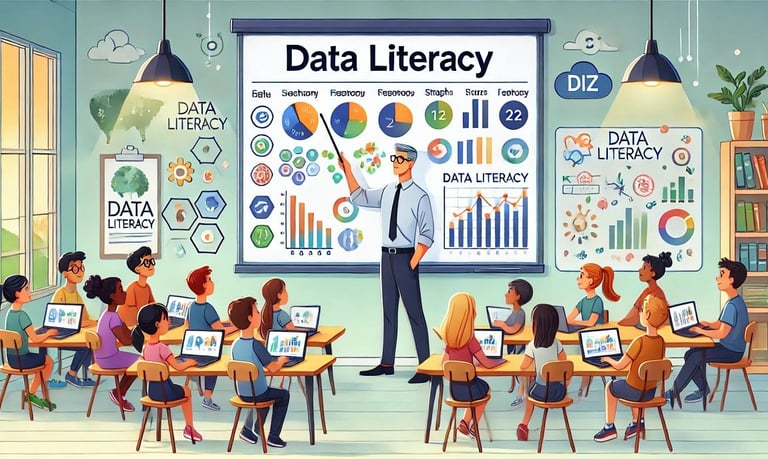
Data literacy is the ability to read, understand, and utilize data in multiple ways. It helps you make sense of numbers, charts, patterns, and information that appear in almost every part of life. Today, data influences everything from how companies make decisions to how people interpret news, political polls, health information, and personal finances. In short, data literacy is becoming a basic skill. Just like reading and writing, it is something people need to navigate modern life. That is why data literacy should become a core subject in schools. Students need it not only for their future careers but also for everyday decision-making and building strong critical-thinking skills.
Why It Belongs in the Core Curriculum
Teaching data literacy as a core subject gives students the chance to learn how to interpret information clearly and communicate effectively. When students understand data, they ask better questions, avoid false assumptions, and make stronger decisions. Data literacy also prepares students for the real world. As they get older, they will encounter financial information, personal budgets, savings, and spending habits. Being comfortable with numbers and trends can help them make smart financial choices instead of feeling overwhelmed. The world is becoming more data-driven. Students who learn these skills early will have an advantage later.
The Growing Need In The Modern World
Technology is advancing at a rapid pace, and almost every industry uses data in one way or another. Whether it is health care, business, engineering, marketing, education, or government, data plays a major role. Even though AI is developing quickly, humans are still needed to translate raw data. AI can process numbers, but it cannot fully understand the context, intention, or deeper meaning behind them. Humans must interpret what the data actually shows, analyze patterns, and draw meaningful conclusions. This makes data literacy a valuable career skill. The need for people who understand data is rising, and schools have the opportunity to prepare students for this future.
How Data Literacy Supports Smart Decision-Making
One of the most important benefits of data literacy is how it helps with informed decision-making. For example, students can use data to track their personal spending, create budgets, and build financial habits that support independence. Instead of guessing where their money goes, they can see the patterns clearly. Data literacy also helps students interpret information in politics, media, and advertisements. In a world full of statistics, charts, and claims that may be misleading, students need the ability to question what they are seeing. Understanding data protects them from falling for false information and keeps them informed about what is actually happening.
How Data Literacy Already Appears in Other Subjects
Even though data literacy is not its own core subject yet, it is already integrated silently into many parts of school. Math helps students read numbers, understand graphs, and analyze information. Science gives explanations and shows why certain results occur. English helps with communication, writing, and expressing ideas supported by evidence.
Each subject contributes something important:
• Math teaches numerical reasoning
• Science teaches interpretation and explanation
• English teaches clarity and communication
Together, these subjects build pieces of data literacy without students even realizing it. Turning data literacy into a clear, intentional subject would help students connect all these skills in a stronger way.
Starting Young Builds Confidence Later
Introducing data literacy at a young age gives students a strong foundation. Kids naturally explore patterns and information without even thinking about it. When schools start gradually building data skills early, students grow more confident as they move through different grade levels. By the time they reach high school and adulthood, they will already be comfortable with analyzing data, understanding patterns, and making decisions based on evidence. This foundation sets them up for the challenges of life after school, including taxes, voting, reading financial statements, managing budgets, and interpreting advertisements. Data literacy is not about turning every student into a data scientist. It is about giving them the knowledge to navigate a world full of numbers, information, and decisions.
Why Data Literacy Matters For the Future
The future will only become more influenced by data. Students today will grow up in a world where technology, statistics, and information influence almost everything. Without data literacy, students may struggle to understand the systems they live in, whether it is the economy, the job market, public health, or political information. Data literacy helps students think logically, identify patterns, and understand how information connects to real life. These skills make them stronger thinkers and more prepared adults.
Final Thoughts
Data literacy should absolutely become a core subject in schools. It teaches students how to understand information, make smart decisions, and prepare for the future. It also helps them interpret the world more clearly and avoid being misled by false information. Since data is now a part of nearly every aspect of life, students benefit from learning it early. With the right foundation, they will feel confident handling finances, understanding news, analyzing trends, and navigating adult responsibilities. Teaching data literacy is not just about numbers. It is about preparing students for a world where information guides everything. And the more prepared they are, the more successful they can be.
Reference: https://www.nwea.org/blog/2025/empowering-students-with-data-literacy-skills
