Why Humans Confuse Productivity With Purpose
ALL BLOGSMINDSET

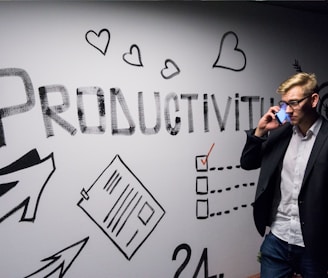
In our time, it is very common to feel the societal pressure of always having a busy schedule filled with numerous things to do. Being busy is often seen as a sign of success, while having free time is sometimes labeled as laziness. We are constantly looking for ways to fill our time and make use of ourselves, but how much of what we do is actually purposeful? The world often defines success by the number of achievements or accomplishments someone has. Basically, the more things you have done, the more successful you are considered to be. There is rarely time taken to stop and look at the effort, patience, or meaning behind what someone is doing. Instead, success is often measured by how fast you can complete the most tasks in the shortest amount of time. This mindset creates an environment where productivity is praised more than purpose.
The Pressure to Always Be Busy
Society sends a clear message: if you are not busy, you are falling behind. From a young age, people are encouraged to stack their schedules with school, extracurricular activities, internships, side projects, and social commitments. Rest is treated as something you earn, not something you need. Being constantly busy can make you feel important or valuable, but it can also disconnect you from why you are doing what you are doing. When your schedule is packed, there is little space to reflect, slow down, or ask meaningful questions about your goals. Over time, being busy becomes a habit rather than a choice.
How the World Defines Success
The world often celebrates visible outcomes rather than invisible effort. Achievements that can be measured, posted, or announced tend to get the most attention. Fast success is especially admired. Many celebrities and influencers are seen as successful because of how much they have accomplished at a young age. Their milestones are public, quick, and easy to track. Meanwhile, people who work quietly on long-term, purposeful projects often go unnoticed. Someone might spend years researching, building, or creating something meaningful, but because it does not produce immediate results, it may be overlooked. Purposeful work does not always move fast, and that makes it less visible in a productivity-driven culture.
Productivity Feels Good, But That Is Not the Same as Meaning
Productivity itself is not bad. Completing tasks can be satisfying, and staying organized can help you function better. The problem begins when productivity replaces purpose. Dopamine plays a big role in filling your schedule. Dopamine is a chemical released in your brain that creates a feeling of reward and excitement. One common trigger for dopamine is checking items off a to-do list. Every time you complete a task and cross it off, your brain releases dopamine, encouraging you to do it again. This creates a cycle where being busy feels rewarding, even if the tasks themselves are not meaningful.
The Dopamine Loop of Doing More
When your brain associates accomplishment with pleasure, you begin to crave more tasks. You may start adding unnecessary items to your list just to feel productive. Over time, productivity becomes less about progress and more about chasing that feeling of completion. This is why people can feel exhausted but still unsatisfied. They have been doing a lot, but none of it feels deeply fulfilling. The brain is stimulated, but the heart is not. Purpose, unlike productivity, does not always give instant rewards. It often requires patience, uncertainty, and long periods without visible progress.
Purpose Takes Time and Is Often Invisible
Purposeful work usually moves slowly. It requires focus, reflection, and commitment. It may involve working on something for years without recognition or immediate results. This kind of work does not always produce daily wins or quick validation. Because of this, purpose can feel uncomfortable in a culture that values speed. It may look like you are doing less when, in reality, you are building something deeper. Purpose is not always efficient, and that is okay.
Why We Confuse the Two
Humans confuse productivity with purpose because productivity is easier to measure. You can count tasks, hours, and accomplishments. Purpose is harder to define. It is personal, internal, and often evolving. When external validation becomes more important than internal fulfillment, productivity starts to feel like meaning. But staying busy does not automatically mean you are moving in the right direction. Without reflection, productivity can turn into a distraction.
Slowing Down to Reconnect With Purpose
Reconnecting with purpose does not mean abandoning productivity. It means being intentional about where your energy goes. It means asking whether your effort aligns with what actually matters to you. Sometimes, doing fewer things with more intention leads to greater impact than doing many things quickly. Purpose invites depth, while productivity often encourages speed.
Final Thoughts
Productivity can make you feel accomplished, but purpose gives direction to those accomplishments. In a world that celebrates constant motion, slowing down to reflect can feel uncomfortable, even risky. But purpose is rarely found in rushing. Being busy is easy. Being intentional takes courage. When productivity serves a purpose, it becomes meaningful. But when productivity replaces purpose, it can leave you feeling empty, even after checking every box.
